
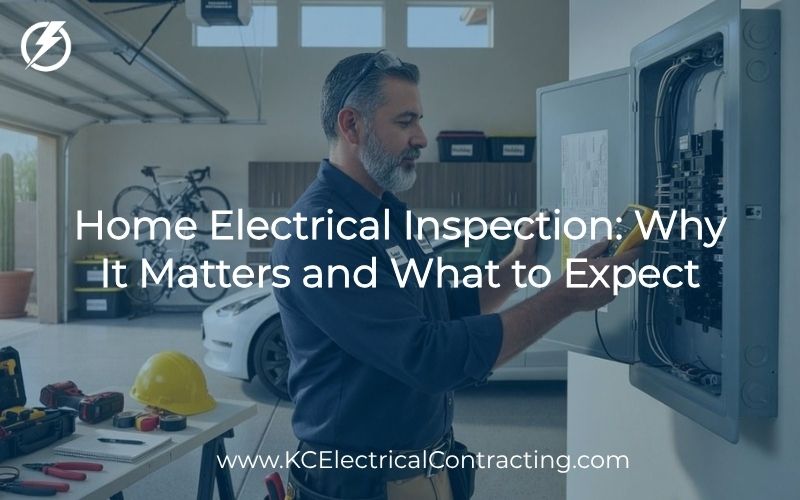
Your home’s electrical system works every day. It keeps your lights on, your appliances running, and your heating and cooling systems going strong. But are you really sure your electrical system can meet your household’s needs?
Many homeowners tend to think about their electrical wiring, outlets, and the electrical panel itself only when something goes wrong. Sadly, electrical problems don’t always come with warning signs. Loose connections, old wiring, and overloaded circuits can develop over time without any obvious indication that they’re a potential hazard.
An inspection of your home electrical system can help you identify potential problems before they become major issues. Whether you want to buy an older home, have plans for home improvements, or simply want peace of mind, knowing when to have an electrical inspection and what it involves can help keep your home and family safe.
What Is a Home Electrical Inspection?
A home electrical inspection is when a skilled electrician thoroughly checks the electrical system in your home. The goal is to spot any safety hazards, get a gauge on the overall health of your electrical components, and make sure your system is up to code and can actually meet the power needs of your household.
Unlike a standard home inspection, which is basically just a quick visual check of electrical components, a proper electrical inspection digs a lot deeper.
When an electrician inspects your place, they’ll check out the wiring, electrical panels, outlets, switches, and ground systems. Depending on how thorough they need to be, they might also give your electrical circuits and safety devices a little test to make sure they’re all working right.
Why Are Electrical Inspections Important?
Your electrical system is going to start to get into trouble the older it gets, especially if you’ve done some home renovations, added some new appliances, or generally increased the amount of energy you’re using.
Regular electrical inspections offer several important benefits.
Identify Potential Electrical Hazards
There are many things that can go wrong with your electrical system. Faulty wiring, loose connections, and overloaded circuits can increase the risk of electrical fires and shocks. An inspection helps find these hazards before they can cause any real damage or harm.
Detect Outdated Electrical Components
If your home is older, your electrical system probably wasn’t designed to meet today’s power requirements. Old electrical panels, deteriorating wiring, and electrical capacity that doesn’t meet today’s standards can create serious safety issues.
An electrician can take a close look at all these components and tell you whether they can be repaired or need a complete overhaul.
Help Prevent Unexpected Electrical Problems
Electrical issues usually don’t just appear suddenly. An inspection can identify those connections that are starting to go bad, damaged outlets, and all sorts of other problems before they turn into a big, expensive repair job.
Tackling the issue early on can help keep costs down and can avoid all those hours without power.
Support Home Renovations and Improvements
If you’re planning on remodeling your kitchen, finishing your basement, or adding new electrical equipment, an inspection can tell you if your existing system can handle the load.
This is especially important if you intend to install an EV charger, heat pump, electric stove, or hot tub because they all need a lot more electricity than your average appliance.
Verify Electrical Safety and Code Compliance
Electrical codes are in place to keep you and your family safe. An electrician can run through your system and identify any areas that don’t meet the latest safety standards. Plus, they can tell you what you need to do to bring your system up to date.
Keep in mind that an older electrical installation isn’t automatically unsafe simply because codes have changed. An inspection helps distinguish actual safety concerns from upgrades that may only be required during new electrical work.
When Should You Schedule a Home Electrical Inspection?
You don’t have to wait until the very last minute to get your electrical system checked over. Some specific situations make an inspection especially worthwhile.
- Buying an older home. If you’re about to buy an older home, it’s worth having an electrician check the wiring and electrical panel first. You don’t want to be hit with a massive bill to upgrade something that should have been done years ago.
- Planning a home renovation. Before you start knocking down walls or adding new rooms, make sure it can handle the extra electrical demand. You might need to upgrade your electrical system, and an inspection can help you figure out what you need.
- Experiencing recurring electrical problems. If you’re constantly losing power, getting flickering lights, or getting burning smells coming from your outlets, then it’s probably time to call in the professionals.
- Installing major electrical equipment. Putting in an EV charger or a heat pump requires a bit more power than a standard household, so you’ll likely need an upgrade to your electrical system.
- Living in a home with aging electrical systems. If the wiring or electrical panel has been in place for years, an electrician can review it and assess its condition.
- After flooding or electrical damage. Whether it’s a flood, a lightning strike, or some other disaster, your electrical system can be badly damaged even if you can’t see it. Get an inspection as soon as possible.
And if you notice burning smells, sparks flying about, or your electrical components getting scorchingly hot, then stop using the equipment and call a licensed electrician immediately.
What Does an Electrical Inspection Include?
The scope of an electrical inspection is dependent on the age, condition, and specific concerns of a residence. With that being said, most home inspections contain a similar set of items.
1. Electrical Panel and Circuit Breakers
The home’s electrical panel provides current to all circuits. Electricians that conduct inspections are concerned with overheating, corrosion, damaged breakers, proper breaker connection, and other potential problems
An electrician may evaluate the electrical service to determine whether the amperage is adequate for the square footage and the structure’s electrical needs.
Upgrading a home from a 100-amp to 200-amp panel may be recommended if the calculation determines that the existing service is insufficient. Performing a load calculation for a home with an electrical panel is a good idea if you plan to install new electrical equipment.
2. Electrical Wiring and Connections
As electrical wiring can age, especially in older homes, an electrician will inspect the available wiring and connections for signs of damage, improper installation, and overheating.
Wiring can also pose a problem if a home has wiring types or modifications that are common to certain time periods.
Since most of your electrical wiring is hidden throughout the walls and ceiling, a standard inspection will not be able to check every single connection without further invasive inspections.
3. Electrical Outlets and Switches
The electrician will check your switches and outlets for damage, loose connections, incorrect wiring, and other issues.
The electrician can also test the outlets to check that they are wired correctly and have the proper surge protection if necessary, like a GFCI.
You will find GFCI outlets in kitchens, bathrooms, garages, and outdoor areas where there is a risk of electrical shock.
4. Grounding and Bonding Systems
Good grounding and bonding are important to electrical safety. They help prevent electrical shock by removing the hazard of fault current from metal parts and grounding it to the earth.
Inspections check accessible grounding and bonding parts for missing, damaged, or incorrectly installed connections.
5. Smoke and Carbon Monoxide Alarms
Depending on the level of inspection, the electrician can check hardwired smoke and CO detectors, their location, wiring, and overall condition.
State law covers installation and maintenance of all smoke and carbon monoxide alarms in the Commonwealth, regulating the whole process from sale to inspection. State law requires some inspections when real estate is sold or exchanged and renovation work is done.
6. Electrical Capacity and Load Requirements
Modern homes contain many more electrical devices and appliances than before.
An electrician can assess the current electrical service and, if needed, conduct a load calculation to advise the client on the property’s electrical needs and any future upgrades to the electrical service.
What to Expect During an Electrical Inspection
Understanding what happens during the procedure can help you prepare for the inspection and know what to do when you schedule it.
- Talk About Your Electricity Needs. When you meet your electrician, they’ll probably ask about the age of the place, any past electrical problems, and any big plans for renovations or new electrical gear. They will talk through the details that apply to you.
- Check Electrical Components. The electrician will check the electrical components and equipment inside your house. They will check the service panel, wiring, outlets, switches, and all of the other equipment that keeps your house running.
- Perform Electrical Testing. If they think there’s a problem, they’ll also do some tests. This may include the use of electrical machines to test outlets, circuits, voltage and grounding, and other equipment.
- Review Findings and Recommendations. Once they have completed their assessment, they will meet with you to review their findings. They will point out any electrical issues they have noticed and offer potential solutions. They will assess which problems need replacement, which can be upgraded, and which may pose a genuine safety risk.
- Schedule Necessary Repairs. If they find any problems, you and your electrician can work out a plan to fix them. That might mean fixing outlets or connections or even upgrading your electrical service panel or putting in a new one.
How Often Should You Have Your Electrical System Inspected?
There is no single rule for how often you should have your electrical system checked. What you need to do really depends on how old your electrical setup is, what kind of condition it’s in, and just how much you and your family use electricity.
If you live in an older house, one that has had past electrical issues, or one that’s been renovated a few times, it’s probably best to have your system checked more often.
On the other hand, if you’ve got a newer house with proper installation and no apparent problems, then you probably don’t need to check it as frequently.
The smart move is to have a licensed electrician look at your system and tell you how often you should schedule an inspection based on what’s really going on.
Electrical Inspection vs. Electrical Code Inspection: What’s the Difference?
Homeowners usually confuse these two inspections.
A qualified electrician does a home electrical safety inspection and comes to take a look at your existing system. They’re checking for potential hazards and telling you what you can do to make it safer.
The town electrical inspector does an electrical code inspection as part of the process for getting a permit for some new work or a renovation. They’re making sure that the new work, or whatever you’re adding, meets the official code.
In Massachusetts, if you need a permit for some electrical work, then that’s what you’ll need to have done by the local authority. Even if a private electrician does an electrical safety inspection, it won’t replace the one needed for a permit.
Both types of inspections serve important purposes, but they aren’t interchangeable.
Protect Your Home With a Professional Electrical Inspection
Your home’s electrical system is something you rely on every day, but it’s easy to overlook until a problem develops. An electrical inspection helps you understand the condition of your system, identify potential safety hazards, and plan improvements before they become emergencies.
Whether you live in an older Central Massachusetts or Southern New Hampshire home, are preparing for a renovation, or have concerns about your electrical panel or wiring, having a licensed electrician evaluate your system is a smart investment in your home’s safety.
KC Electrical Contracting can help you evaluate your home’s electrical system and determine if you need repairs, panel replacement, or an electrical service upgrade. Contact us to discuss your electrical concerns and schedule an evaluation.